
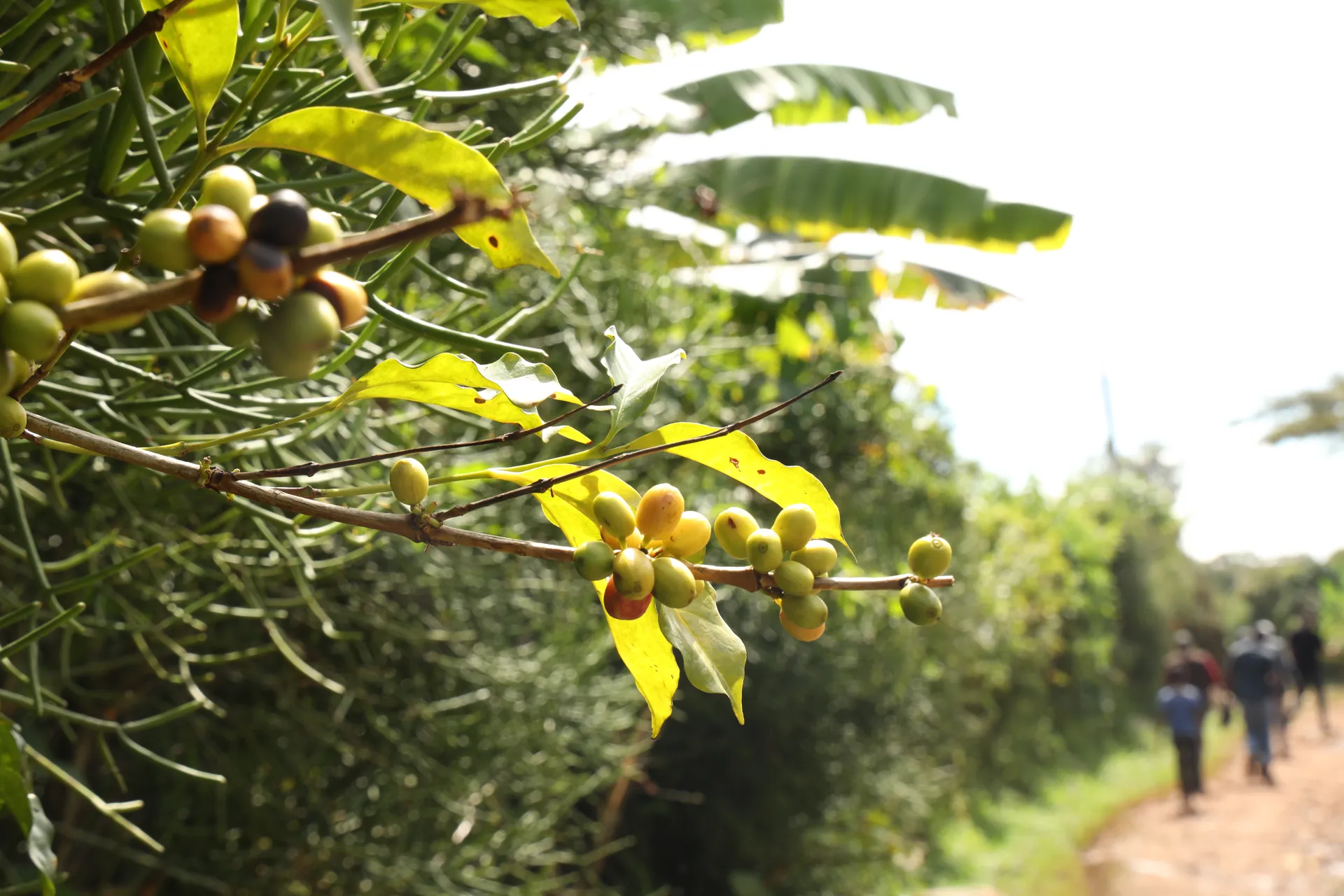
Guji
Guji natural process coffee is renowned for a fruit-forward and sweet flavor profile, often featuring notes of berries (especially blueberry and strawberry), tropical fruits, and citrus, along with a medium, juicy body and vibrant acidity. The natural process, where the coffee cherry is dried whole with the bean inside, allows the fruit's sugars to infuse the bean, enhancing sweetness and complex fruit flavors.
Key Highlights
Fruit-forward with berries (blueberry, strawberry), tropical fruits, and citrus
Wine-like or subtly funky quality with floral undertones (jasmine, tea rose)
Medium, juicy body - silky, syrupy, smooth - with bright, vibrant citric or winey acidity
Grown at 1,800-2,200m in rich volcanic soils with diverse microclimates
Flavor Profile
Fruit Notes
Floral Notes
Sweetness
Other Notes
Taste Characteristics
Acidity
Bright and vibrant, often described as citric or winey, providing a juicy sensation on the palate
Body
Medium and juicy, sometimes described as silky, syrupy, or smooth
Growing Conditions
- Altitude
- 1,800-2,200m above sea level (MASL). High elevation slows cherry maturation, allowing for the development of more complex sugars and flavors.
- Soil
- Rich volcanic soils with diverse microclimates
- Rainfall
- Abundant rainfall
- Farming Practices
- Coffee is often grown by smallholder farmers (averaging 1-2 hectares) in semi-forest or garden plots, often intercropped with other food crops, using traditional methods without chemical fertilizers
- Varietals
- Primarily Ethiopian heirloom and local landrace varieties, which are indigenous to the area and contribute to the coffee's unique profile
Processing Method
Method
Natural (dry) process - traditional and common in Guji
Duration
Up to 3-4 weeks
Technique
Cherries are selectively handpicked when ripe and dried whole on African raised beds, turned frequently to ensure even drying and prevent spoilage.
Interested in Guji?
Request samples and discover the exceptional quality of our natural processed Guji coffee.